DOVER (April 27, 2026) –
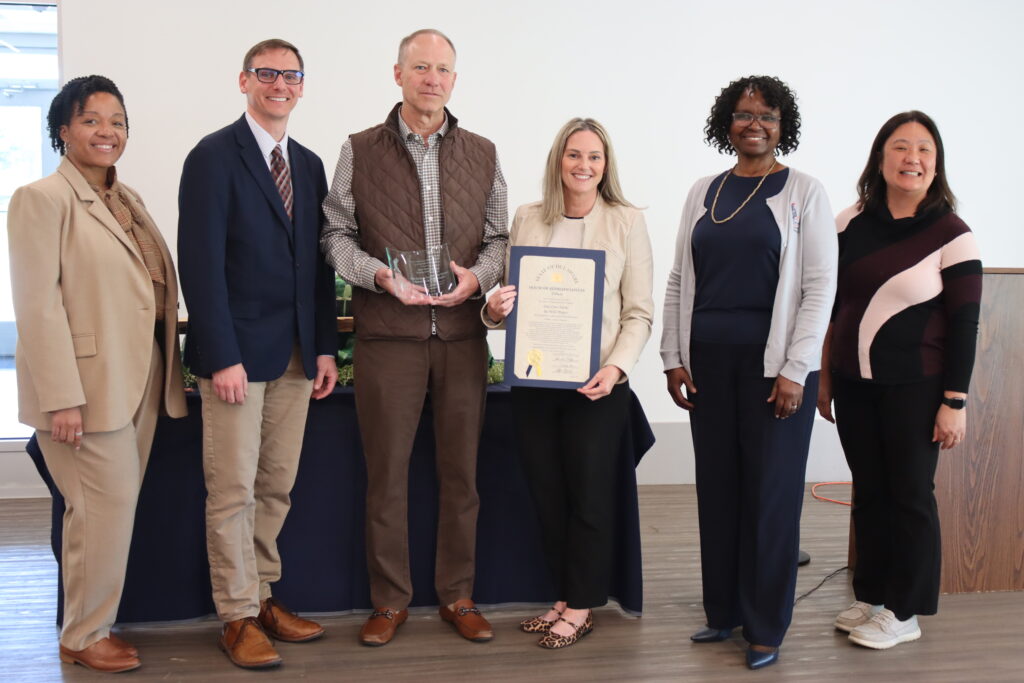
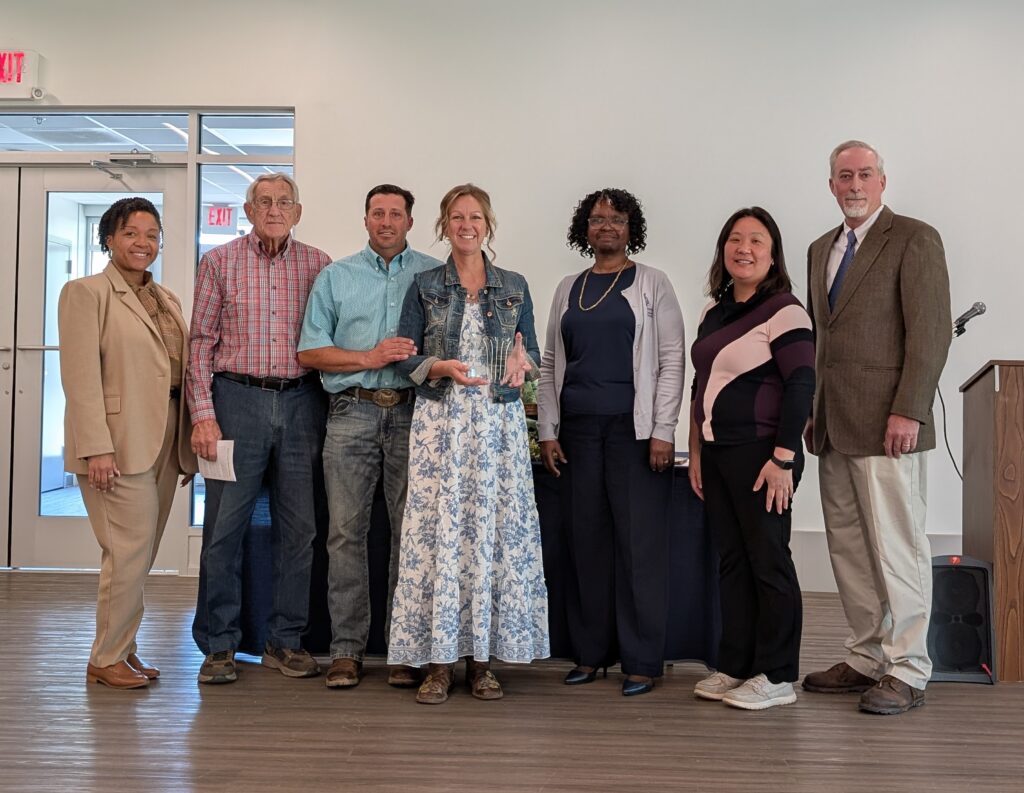
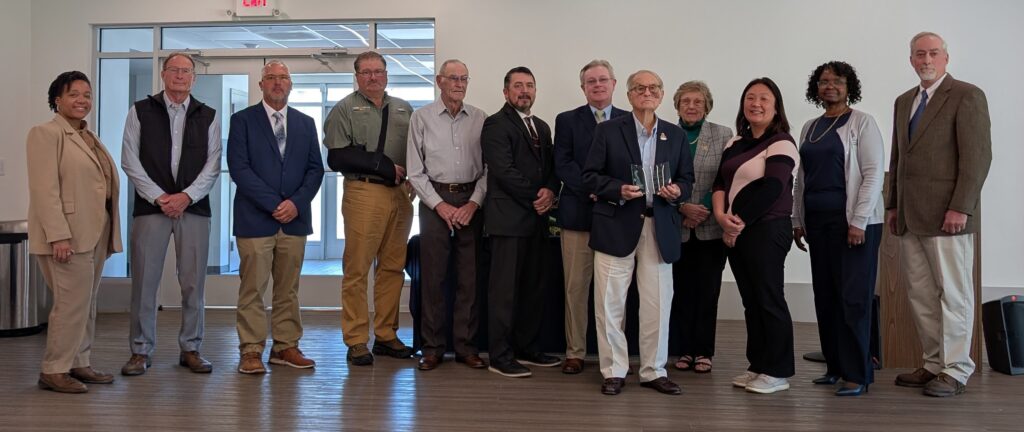
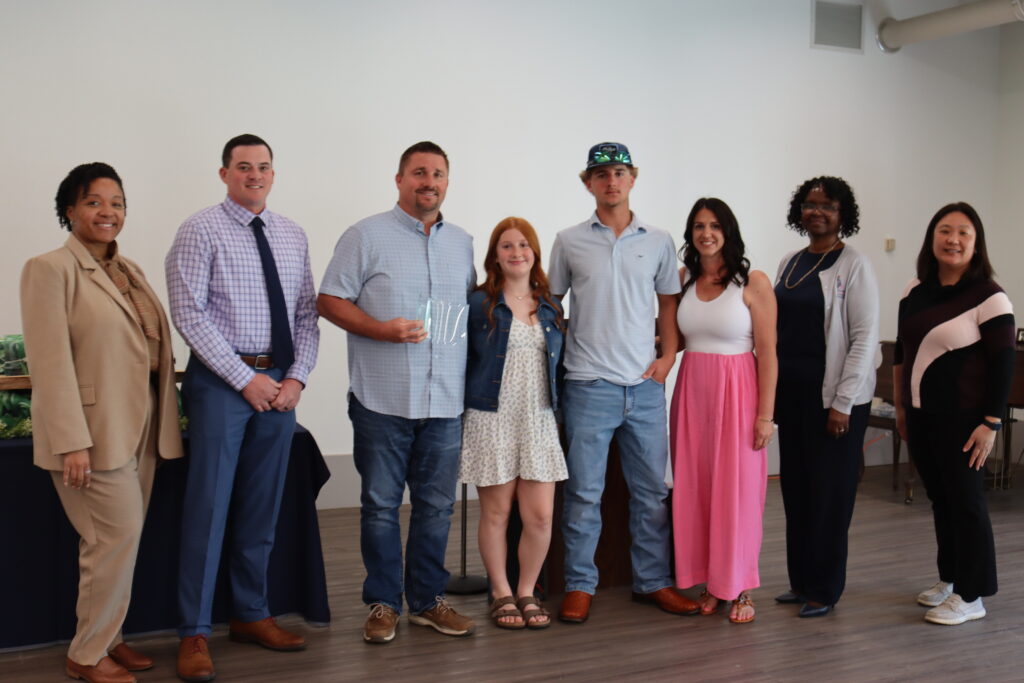
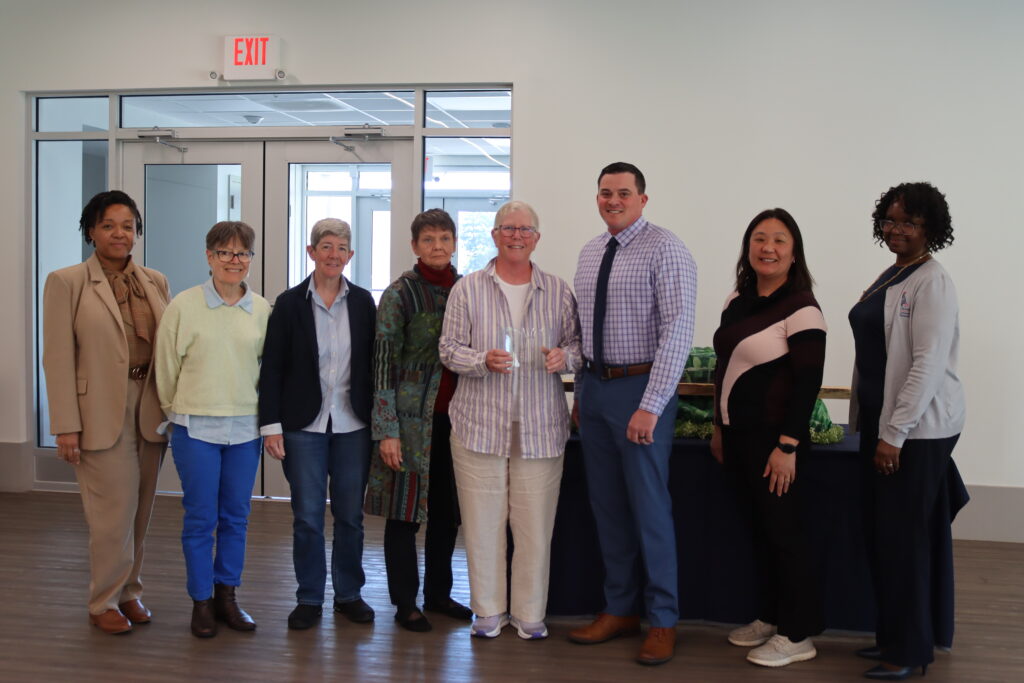
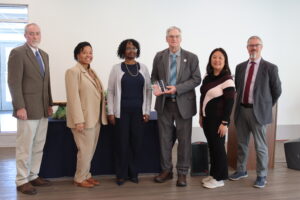
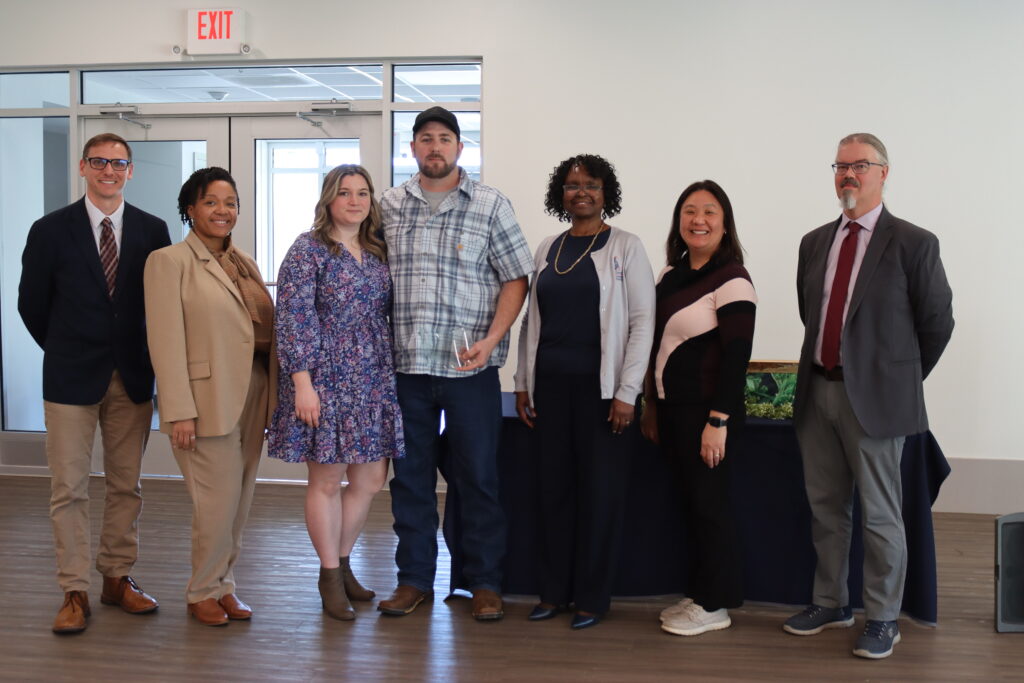
The Delaware Agricultural Museum and Village was the setting for the annual Governor’s Conservation Awards. DNREC Deputy Secretary Dayna Cobb, Delaware Association of Conservation Districts President Gwen Pierce, and USDA-Natural Resources Conservation Service State Conservationist Suzy Daubert, led a ceremony recognizing this year’s honorees and signed a proclamation officially designating Soil and Water Stewardship Week in Delaware under the theme, “Soil. Where It All Begins”
“The 2026 NACD Stewardship Week theme, “Soil. Where It All Begins”, celebrates the incredible power of soil to support life in all its forms. Soil is not just the ground we walk on. It is the starting point for healthy food, clean water, thriving habitats, and resilient communities. From backyard gardens to forests and city parks, everything begins with what is beneath our feet.” said Pierce.
“Stewardship Week helps to remind us all of the power each person has to conserve natural resources and improve our world.” said Pierce, “The Stewardship concept involves personal and social responsibility, including a duty to learn about and improve natural resources as we use them wisely, leaving a rich legacy for future generations.”
This year’s agricultural honorees include farmers dedicated to using best management practices as well as other conservation efforts and working with conservation districts and other partners to implement innovative practices that protect natural resources while enhancing farm productivity.
Urban conservation award recipients demonstrate innovation and exceptional community service while implementing practical, replicable models for infrastructure renewal, protecting water resources, supporting growing communities, and ensuring long-term environmental resilience.
“Today’s recipients work with Delaware’s conservation partners to implement innovative and comprehensive conservation practices on their farms and in their businesses and projects.” said Pierce. “Delaware is fortunate to have a wonderful partnership between Delaware’s conservation districts, DNREC and NRCS, who provide invaluable support to our cooperators. These awards highlight the beneficial outcomes of these relationships, and we’d like to take a moment to recognize the hard work that’s been done.”
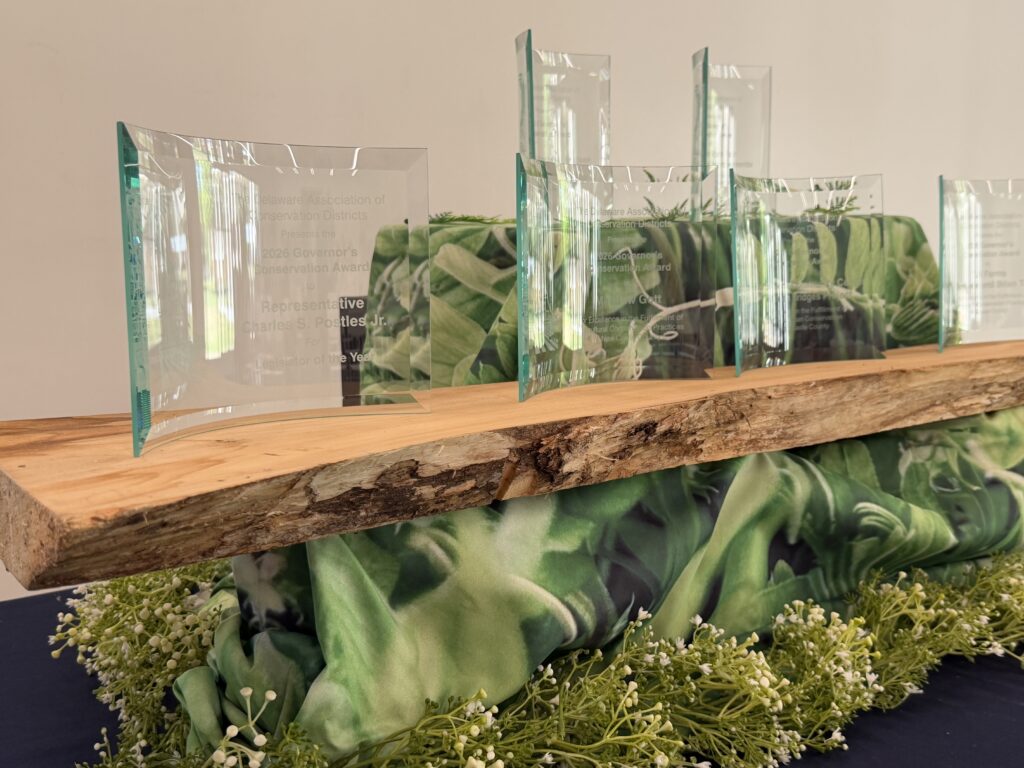
DACD recognized Representative Charles Postles Jr for his outstanding service, funding support and community involvement, which makes him a valuable conservation partner protecting the 33rd District and Delaware. Representative Postles is a supporter and advocate for the Delaware agricultural community in the General Assembly and has been one of few active farmers serving in the legislature.
Along with his support for agricultural programs such as cost share, cover crop, and nutrient management, Representative Postles worked with the Kent Conservation District (KCD) and Department of Natural Resources and Environmental Control (DNREC) to provide CTF funds for the installation of a new storm drain system that provided drainage for Paradise Alley Road. He ear-marked funding for the Town of Houston, Phase I/Breeders Crown DIP project for the dip out of an existing drainage ditch through the Breeders Crown development that provided a drainage outlet for Route 14 and the northern part of Houston. Representative Postles, also provided funding for the Woods Haven/New Wharf Road project that replaced a failing storm drain in Woods Haven and cleaned out an existing ditch to help drain New Wharf Road.
Delaware’s Conservation Districts, one in each county, are a unique governmental unit in partnership with DNREC. Their mission is to provide technical and financial assistance to help Delawareans conserve and improve their local natural resources, including solving land, water and related resource problems; developing conservation programs to solve them; enlisting and coordinating help from public and private sources to accomplish these goals; and increasing awareness of the inter-relationship between human activities and the natural environment. Delaware’s district supervisors have a statewide organization, the Delaware Association of Conservation Districts (DACD), a voluntary, non-profit alliance that provides a forum for discussion and coordination among the Conservation Districts.
Additional details for this year’s Conservation Award winnersd
New Castle
AGRICULTURAL: Matthew Gott
Matthew Gott of Middletown, DE, is a leader in agricultural conservation, demonstrating a strong commitment to implementing innovative practices that protect natural resources while enhancing farm productivity. His extensive conservation efforts span thousands of acres and address critical environmental concerns including soil health, water quality, and efficient resource management.
Since 2018, Matthew has implemented approximately 3,900 acres of cover crops, significantly reducing erosion, improving soil structure, and enhancing nutrient retention. His work also includes irrigation water management systems on nearly 300 acres and irrigation system enhancements across 800 acres, improving water use efficiency and reducing waste. In addition, he has enrolled approximately 2,200 acres in soil carbon enhancement through nutrient management and applied advanced nutrient management practices on more than 3,000 acres. These efforts reflect the leading edge of agricultural best management practices in Delaware and offer a highly scalable model for farmers statewide. While these practices require substantial investment and management, the long-term benefits include improved soil productivity, reduced environmental impact, and increased operational efficiency.
URBAN: The Four Seasons Community Center Pedestrian Bridges Project
The Four Seasons Community Center Pedestrian Bridges Project in Newark, Delaware, represents a thoughtful and effective approach to urban conservation and community safety. Faced with two aging and deteriorated pedestrian bridges spanning stormwater management ponds, the New Castle Conservation District (NCCD) led a critical effort to restore safe access for residents while enhancing long-term infrastructure resilience.
Partnering with VanDemark & Lynch, Inc., NCCD guided the design, construction administration, and inspection of two new pedestrian bridges. The project utilized cost-effective, durable design solutions, including 12-foot timber frame bridges supported by concrete slab and sonotube foundations. New railings and upgraded concrete and asphalt sidewalks further improved accessibility and pedestrian safety throughout the community center and pool area. The project highlights how aging infrastructure in residential communities can be replaced with practical, affordable solutions that integrate with existing stormwater systems while minimizing long-term maintenance needs.
Support from DelDOT’s Community Transportation Fund and State Representative Cyndie Romer helped make the project possible, reflecting the value of collaborative investment in community infrastructure.
Kent
AGRICULTURAL: Gregg and Stephanie Knutsen
Gregg and Stephanie Knutsen, owners and operators of G & S Dairy in Harrington, Delaware, exemplify excellence in agricultural conservation and stewardship. As one of the twelve remaining dairy farms in the state, their operation spans approximately 520 acres of corn, soybeans, and small grains, reflecting both productivity and environmental responsibility.
The Knutsens have implemented a comprehensive suite of conservation practices to address critical environmental challenges, including water quality, soil health, and animal welfare. Through the use of cover crops, precision nutrient management, forage harvest management, manure storage, roofed heavy use area protection, and improved trails and walkways, they have significantly reduced erosion, improved soil structure, and minimized nutrient runoff. These efforts not only enhance environmental outcomes but also improve farm efficiency and long-term sustainability.
Beyond their farm, Gregg and Stephanie are leaders in the agricultural community—supporting youth through 4-H, engaging in Farm Bureau leadership, promoting agritourism, and advocating for the dairy industry.
URBAN: The Delaware State Fair Route 13 Pond Improvements Project
The Delaware State Fair Route 13 Pond Improvements Project is a strong example of proactive, innovative stormwater management and infrastructure stewardship. Located in Harrington, Delaware, the project addressed a failing stormwater facility that had become ineffective due to sediment buildup, overgrown vegetation, and outdated design. Through a thoughtful retrofit, the pond was redesigned to improve both water quality and water quantity control while reducing its overall footprint. The upgraded system now more effectively manages runoff from the Fairgrounds, preventing excess discharge into surrounding drainage systems and protecting nearby properties and waterways.
This project highlights a critical and often overlooked need across Delaware: maintaining and modernizing aging stormwater infrastructure. Many facilities statewide are reaching or exceeding their intended lifespan, and this effort demonstrates how strategic investment and redesign can restore functionality, extend service life, and improve environmental outcomes. With proper maintenance, the upgraded facility is expected to serve the Fairgrounds effectively for decades to come.
Sussex
AGRICULTURAL: Benjamin and Brian Tull
Benjamin and Brian Tull work together as a father and son team, managing Tull Farms in Seaford, Delaware. They farm approximately 1,600 acres of cropland in Sussex County and Dorchester County, Maryland, growing corn, soybeans, sorghum, and small grains.
As long-time cooperators, Ben and Brian have demonstrated a strong commitment to conservation and sustainability through their participation in the District’s cover crop program, as well as utilizing the Environmental Quality Incentives Program(EQIP) and Conservation Stewardship Program (CSP) funding through the Natural Resources Conservation Service (NRCS). These conservation practices include but are not limited to: nutrient management, drainage water management, soil carbon amendment, and denitrifying bioreactor and subsurface drainage. These efforts support their true dedication not only to the farm’s long-term operation goals, but to their environmental stewardship to the land they work so hard to protect.
URBAN: The Oak Crest Farms Re-Wild Project
The Oak Crest Farms Re-Wild Project exemplifies the power of community-driven conservation in suburban Sussex County, Delaware. This innovative initiative transformed six acres of former septic drain fields—once compacted turf with little ecological value—into a thriving landscape of native pollinator meadows, Miyawaki-inspired mini-forests, and a dedicated Monarch butterfly garden.
The project delivers meaningful environmental benefits that extend beyond its boundaries. Deep-rooted native plantings now improve stormwater infiltration, reducing runoff to the Rehoboth Bay watershed while filtering nutrients and sediment—key contributors to water quality challenges in the region. At the same time, the restored habitat supports pollinators, songbirds, and other wildlife, helping counter ongoing habitat loss and strengthening biodiversity, soil health, and long-term resilience.
Today, the site stands as a living model of sustainable land use—reducing maintenance costs, enhancing environmental quality, and fostering neighborhood pride.