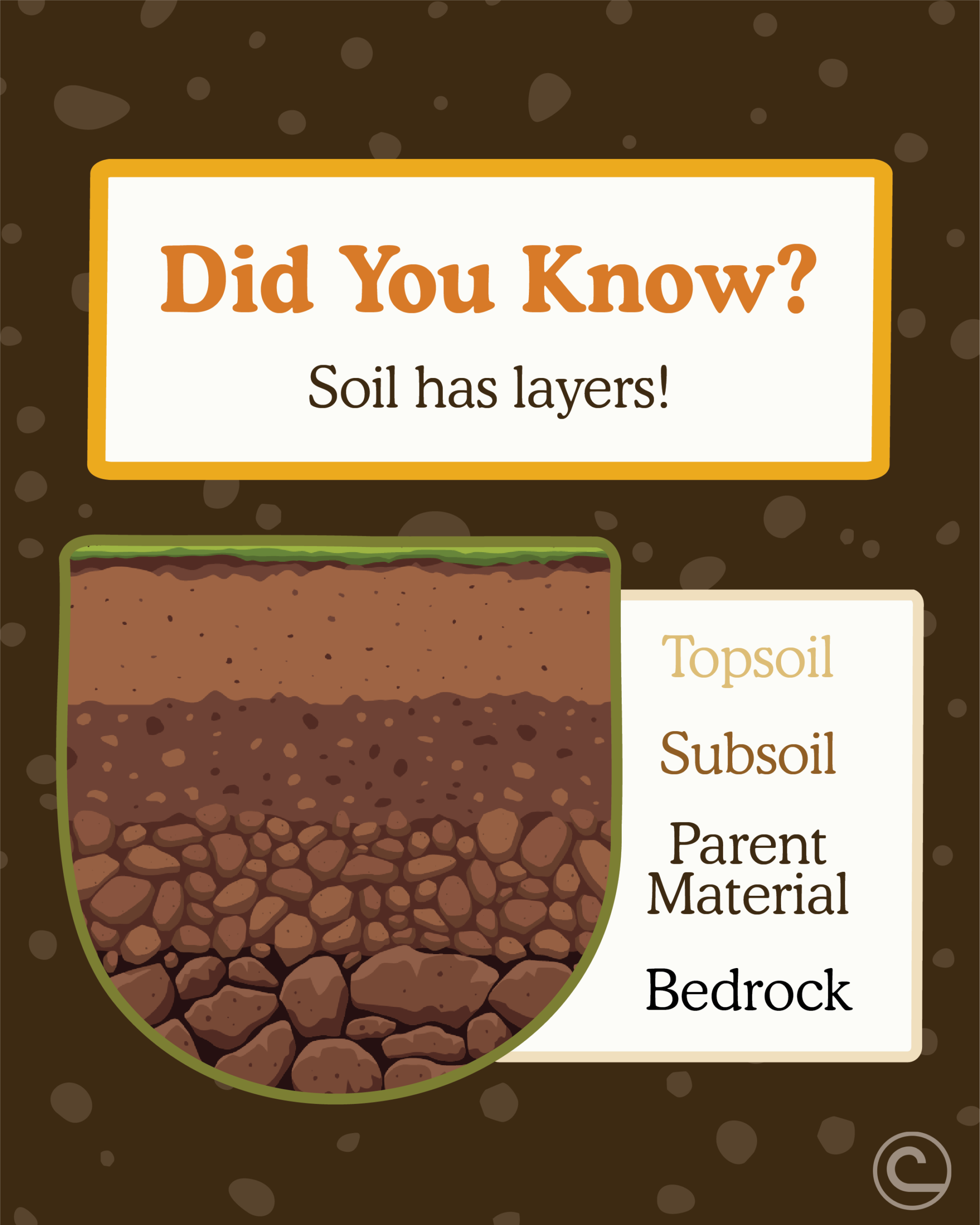
The 2026 NACD Stewardship Week theme, Soil. Where It All Begins, celebrates the incredible power of soil to support life in all its forms. Soil is not just the ground we walk on. It is the starting point for healthy food, clean water, thriving habitats, and resilient communities. From backyard gardens to forests and city parks, everything begins with what is beneath our feet.
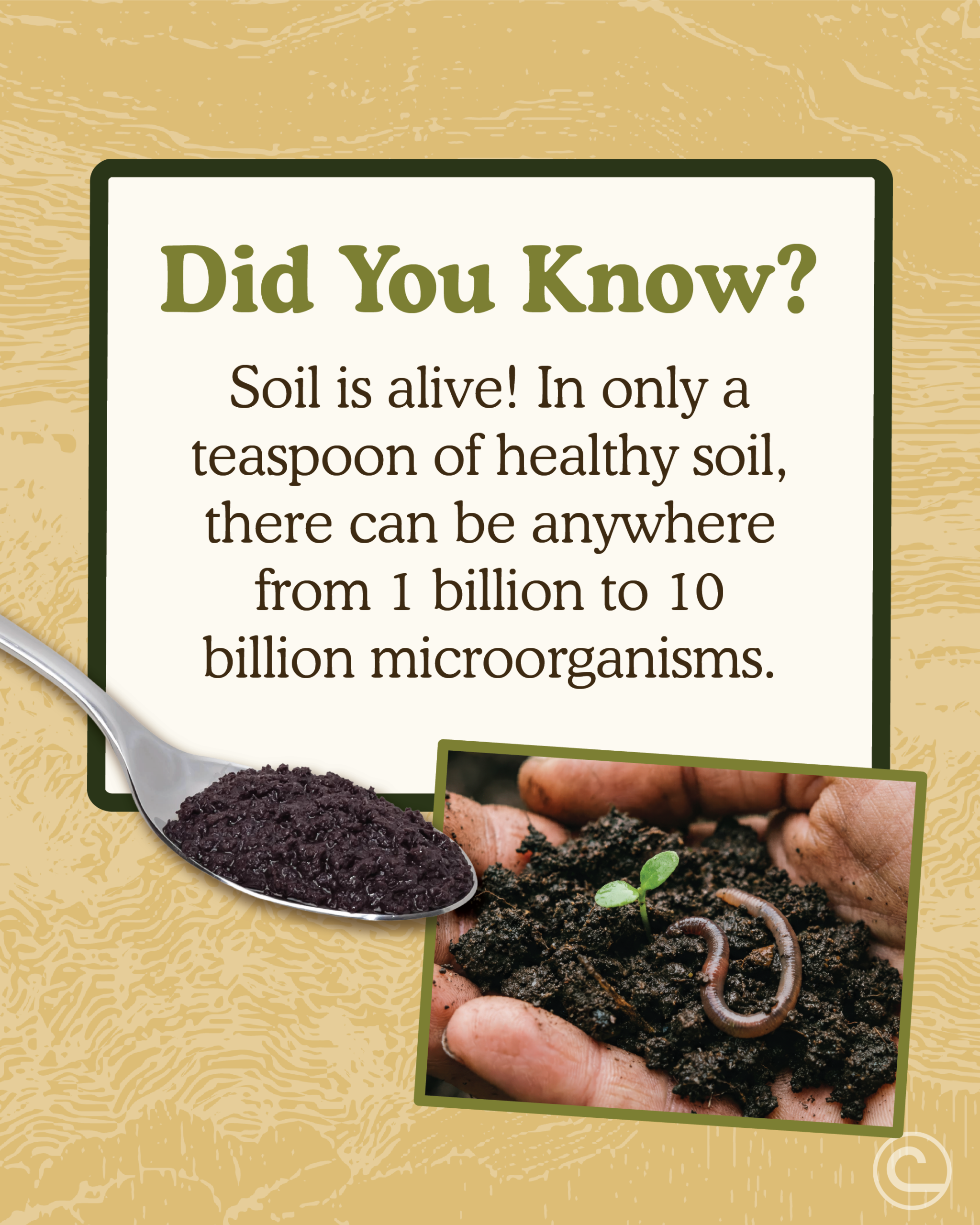
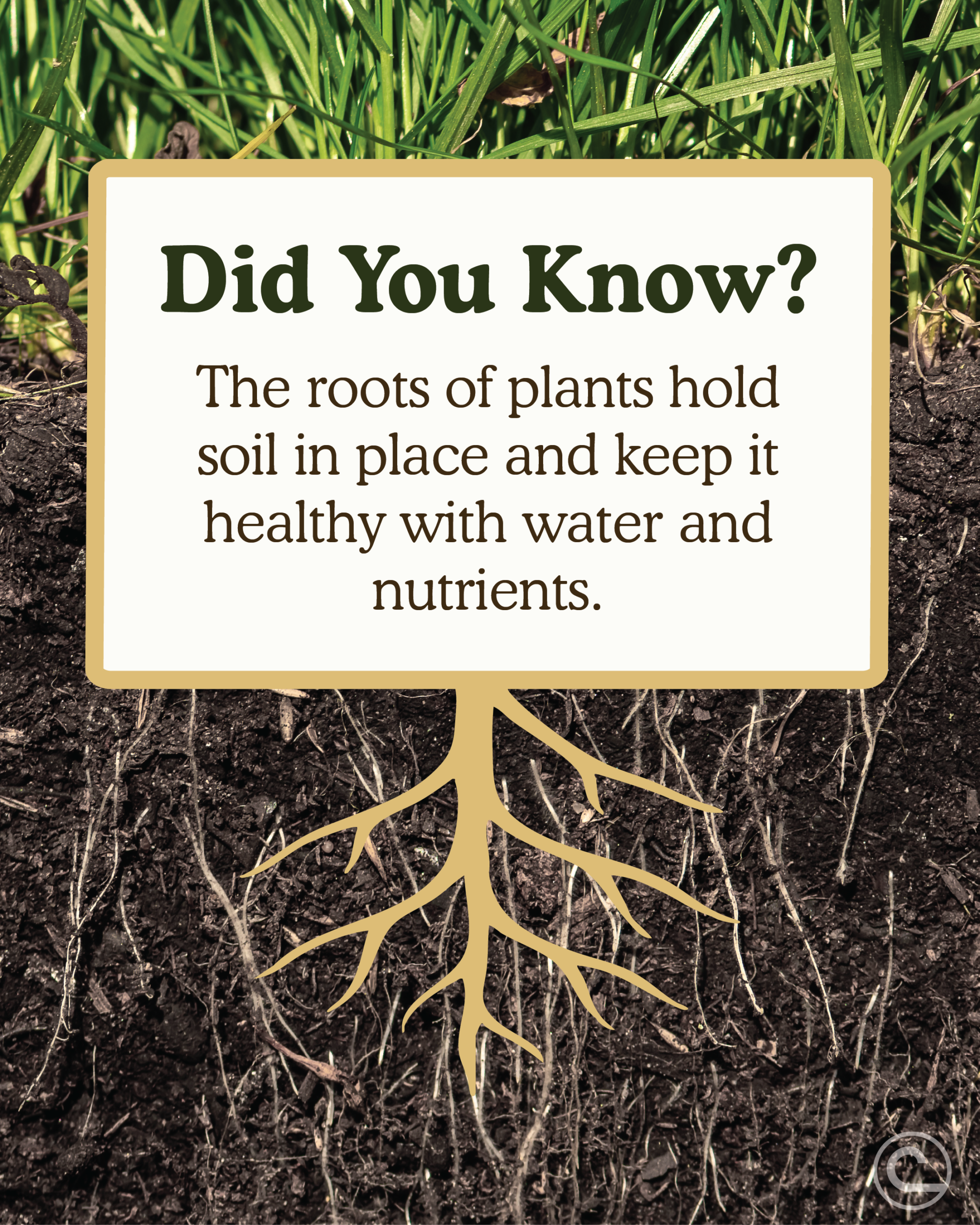
Soil does a lot more than grow plants. It holds water, cycles nutrients, and provides homes for billions of living organisms that help keep nature in balance. It keeps roots in place, helps prevent flooding, and supports wildlife and people alike. The trees in our neighborhoods, the food on our tables, and the natural places we love all depend on healthy soils.
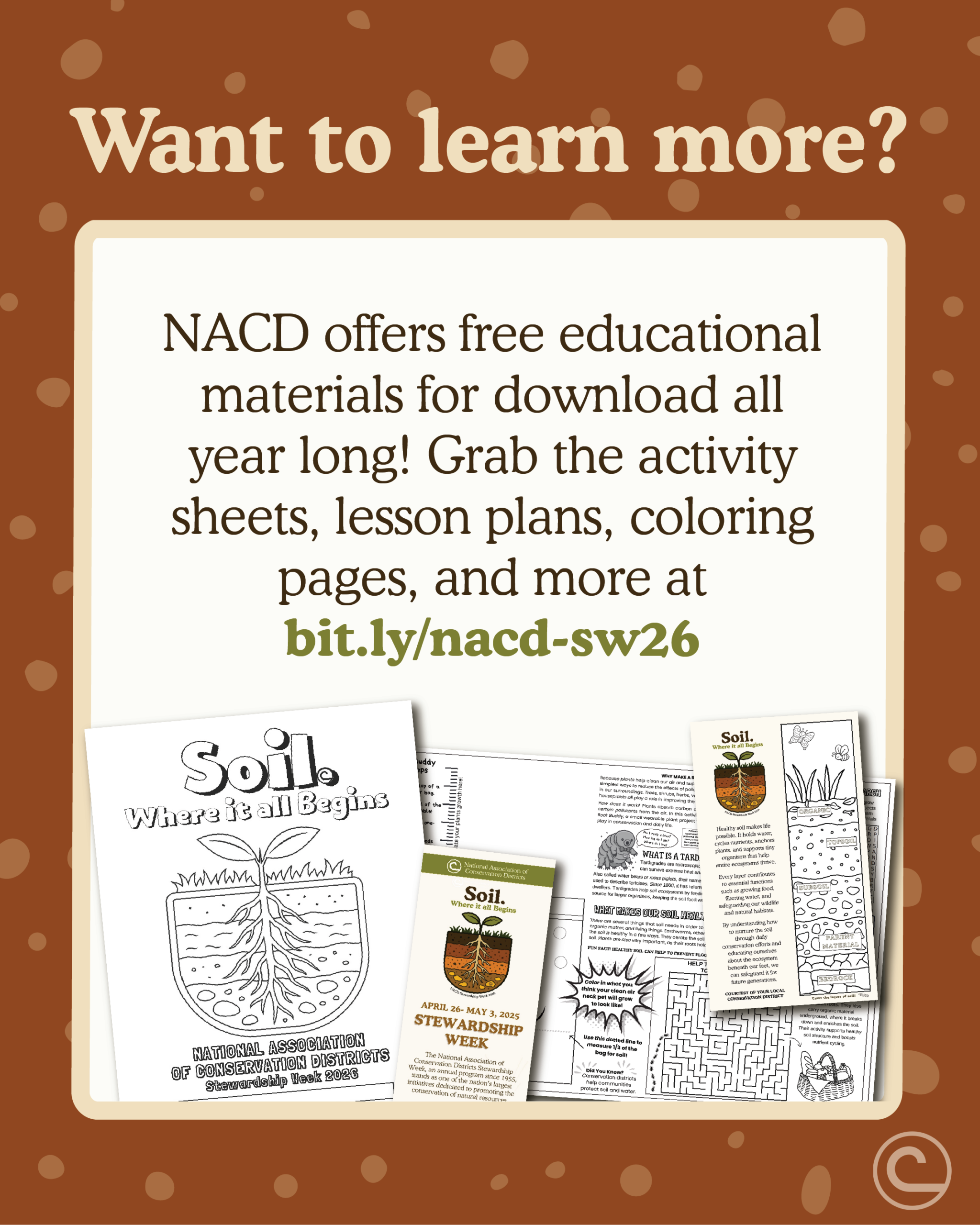
Conservation districts across the country work every day to protect this vital resource. Through education, technical support, and local partnerships, they help landowners and communities keep soil healthy, productive, and resilient. Districts also provide free educational resources to schools, families, and community groups to inspire the next generation of soil stewards and help people of all ages connect with conservation in meaningful ways. Whether it is helping farmers manage erosion or supporting school gardens in town, conservation districts lead the way in caring for the land.
When we take care of soil, we are taking care of everything it supports. That is why soil is where it all begins.
Soil health is defined as the continued capacity of soil to function as a vital living ecosystem that sustains plants, animals, and humans. Healthy soil gives us clean air and water, bountiful crops and forests, productive grazing lands, diverse wildlife, and beautiful landscapes. Soil does all this by performing five essential functions:
Regulating water Soil helps control where rain, snowmelt, and irrigation water goes. Water flows over the land or into and through the soil.
Sustaining plant and animal life The diversity and productivity of living things depends on soil.
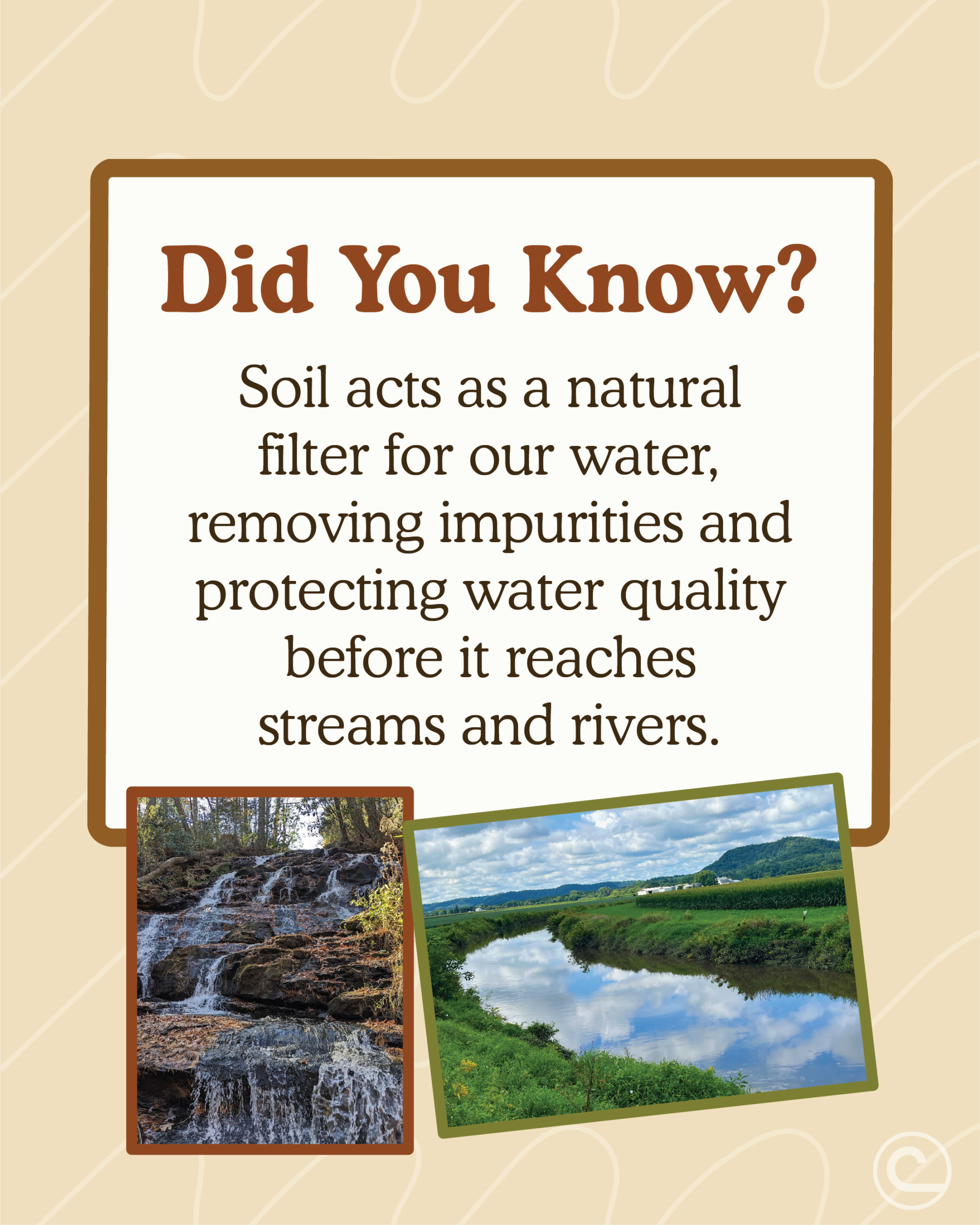
Filtering and buffering potential pollutants The minerals and microbes in soil are responsible for filtering, buffering, degrading, immobilizing, and detoxifying organic and inorganic materials, including industrial and municipal by-products and atmospheric deposits.
Cycling nutrients Carbon, nitrogen, phosphorus, and many other nutrients are stored, transformed, and cycled in the soil.
Providing physical stability and support Soil structure provides a medium for plant roots. Soils also provide support for human structures and protection for archeological treasures.
The Delaware Conservation Partnership is made up of Delaware’s three county conservation districts (New Castle, Kent and Sussex), the Delaware Department of Natural Resources and Environmental Control (DNREC) and USDA’s Natural Resources Conservation Service (NRCS). We also work closely with the Delaware Department of Agriculture as well as UD and DSU Cooperative Extension.
Across the United States, nearly 3000 conservation districts — almost one in every county — are helping local people to conserve land, water, forests, wildlife and related natural resources. Their mission: to coordinate assistance from all available sources — public and private, local, state and federal — in an effort to develop locally driven solutions to natural resource concerns.
Conservation districts help:
implement farm conservation practices to keep soil in the fields and out of waterways;
conserve and restore wetlands, which purify water and provide habitat for birds, fish and numerous other animals.
protect groundwater resources;
plant trees and other land cover to hold soil in place, clean the air, provide cover for wildlife and beautify neighborhoods;
help developers and homeowners manage the land in an environmentally sensitive manner; and
reach out to communities and schools to teach the value of natural resources and encourage conservation efforts.
Delaware’s Conservation Districts are made up of cooperators that are landowners, rural and urban, who join together voluntarily within the district in planning for and controlling soil erosion, sedimentation, flooding, and managing animal wastes, fertilizers, and agricultural chemicals to protect farmland and water quality.